TEST

Novi, Northville, Plymouth · Community Photo
We all want to raise children who are kind, caring, and aware of the world around them. But kindness isn't something kids just pick up on their own. Like anything worth learning, it grows through practice and example. One of the best ways to teach it is to do it together, as a family.
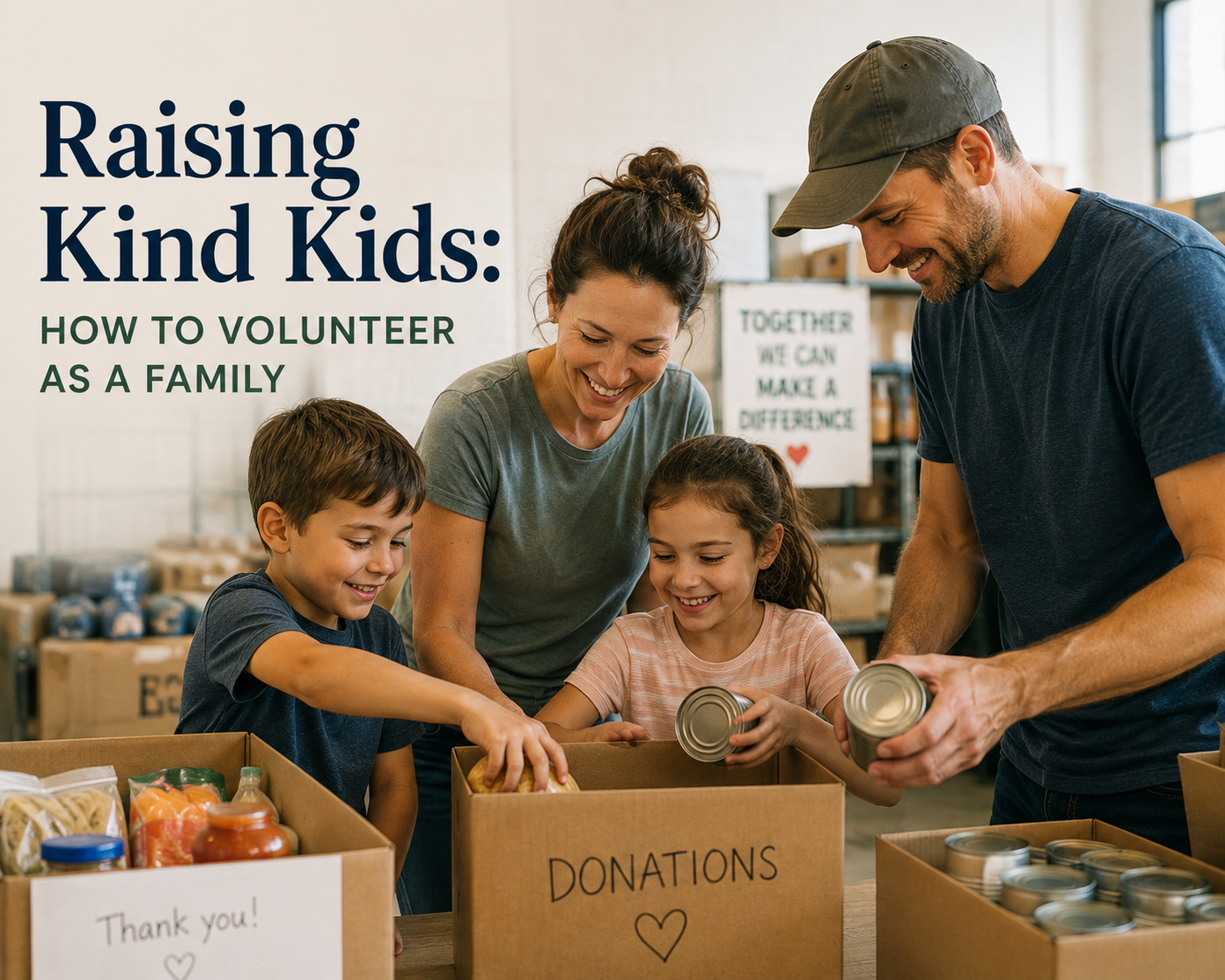
Volunteering as a family gives kids a hands-on lesson in caring for others. It creates memories, builds character, and shows children that they have the power to make a difference. Here in the Danbury area, there are wonderful ways for families to give back together.
Why family volunteering matters
When kids see their parents helping others, they learn that kindness is a normal, important part of life. When they help too, they feel the joy of making a difference firsthand. Those lessons stick far better than any lecture.
Volunteering together also gives families something meaningful to do side by side. In a busy world full of screens and schedules, shared service is a powerful way to connect. You're not just helping others. You're growing closer as a family.
Start with age-appropriate activities
The key to volunteering with kids is matching the activity to their age and abilities. Even young children can help in simple ways:
Little ones can help sort donations, make cards, or bake treats for others.
School-age kids can help at events, collect items for donation drives, or help serve.
Teens can take on bigger roles, from mentoring younger kids to helping with real projects.
When kids can actually contribute in a way that fits them, they feel proud and capable. Start small and let their involvement grow over time.
Make it a regular thing
A single act of service is wonderful, but a regular habit is even more powerful. When giving back becomes part of your family's routine, kindness becomes part of who your kids are.
You don't have to do something huge every week. Even a monthly family volunteer activity makes a lasting impression. What matters is consistency, showing your kids that caring for others is a normal, ongoing part of life.
Talk about it together
The experience of volunteering becomes even more meaningful when you talk about it. Before you go, explain what you'll be doing and why it matters. Afterward, ask your kids how it felt and what they learned.
These conversations help children understand the bigger picture. They start to see how their actions affect others and why kindness matters. Over time, this builds real empathy and awareness.
Let kids see the need and the impact
Kids are naturally caring, but they don't always understand the needs around them. Volunteering opens their eyes in a healthy, age-appropriate way. They begin to notice that not everyone has the same things they do, and that they can help.
Just as importantly, they see the impact of their efforts. When a child helps and sees the result, a smile, a thank-you, a job well done, they learn that they truly can make a difference. That's a lesson that shapes them for life.
Lead by example
The most powerful teaching tool is your own example. When your kids see you giving your time, treating others with kindness, and caring about your community, they learn what really matters. Your actions speak louder than any words.
So let your children see you being generous and kind, not just during special volunteer days, but in everyday life. Those small, consistent examples add up to a big influence.
Kind Works serves the Danbury area with a mission rooted in kindness and helping neighbors. It's a wonderful place for families looking to give back together and teach their kids the value of caring for others.
Growing kindness, together
Raising kind kids is one of the most important things we can do, both for our children and for our community. And there's no better way to teach kindness than to practice it together.
So find a way to give back as a family. Start small, make it regular, and talk about it along the way. You'll be teaching your kids a lesson that lasts a lifetime, and making a real difference in your community at the same time.